
Vocabulary & Phrases

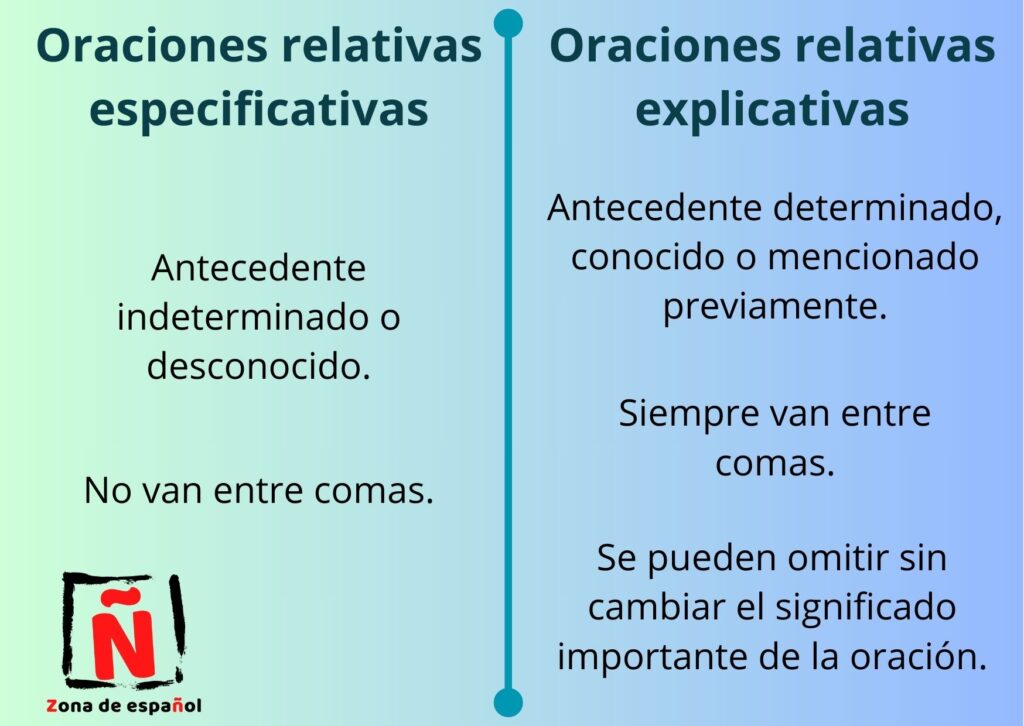
Las oraciones relativas en español. Diferencia entre las oraciones relativas especificativas y las oraciones relativas explicativas en español. Español para extranjeros.

Relative clauses in Spanish

Relative clauses in Spanish are those that provide additional information about a noun in the main sentence. These sentences often begin with relative pronouns such as “que,” “cual,” “quien,” “cuyo,” among others. Relative pronouns are used to refer to a previously mentioned antecedent to avoid repeating it. In relative clauses, the antecedent is the noun

Relative clauses in Spanish Read More »

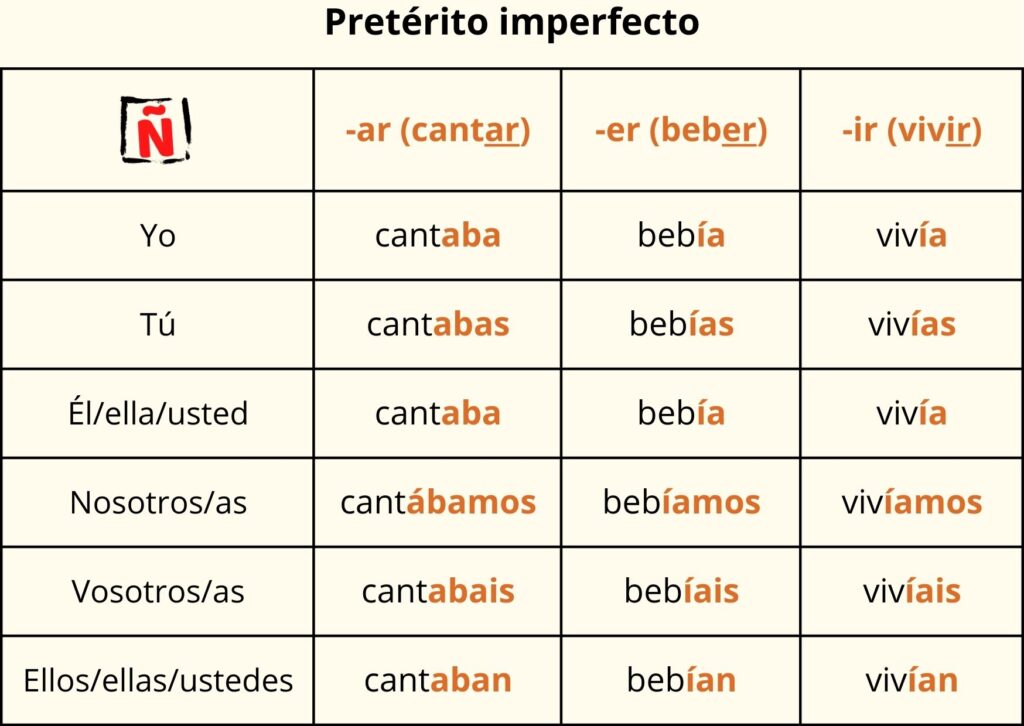
Forma del pretérito imperfecto en español. Español para extranjeros. Gramática ELE. preterite imperfect

Spanish Grammar for foreigners: Preterite imperfect

Welcome to your corner of Spanish! In today’s post, we’re going to talk about the preterite imperfect tense in Spanish. The preterite imperfect is one of the most commonly used verb tenses in Spanish to discuss the past. Unlike the preterite imperfect tense that emphasizes a completed action in the past, the preterite imperfect focuses

Spanish Grammar for foreigners: Preterite imperfect Read More »

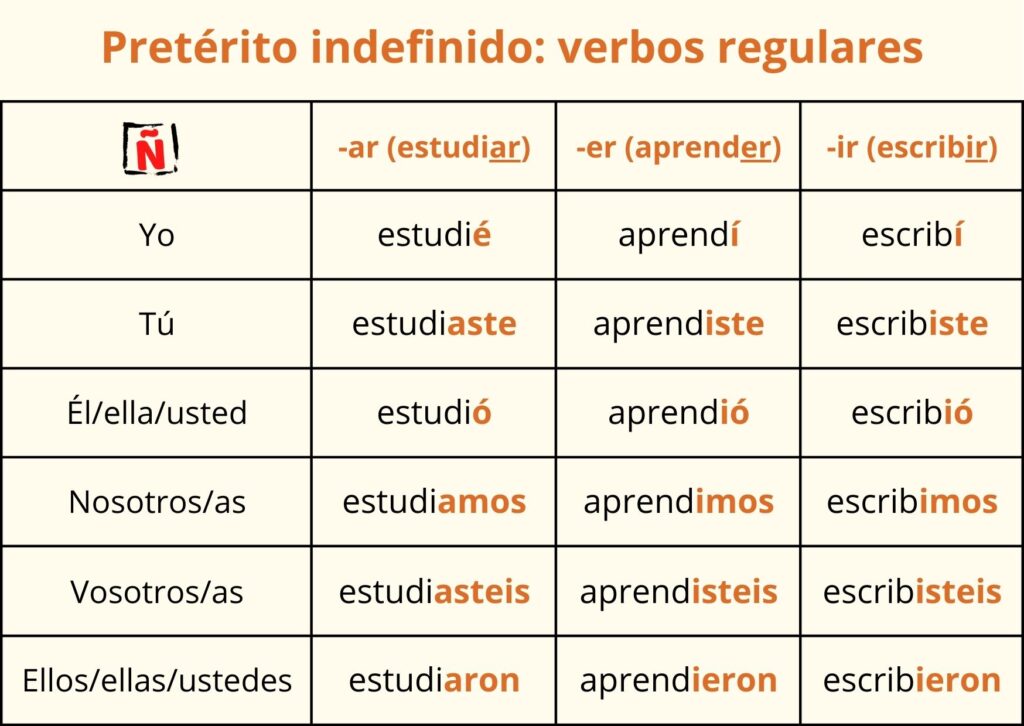
Forma de los verbos regulares del pretérito indefinido en español. Español para extranjeros.

Pretérito indefinido. Spanish Grammar for Foreigners

The pretérito indefinido in Spanish is one of the past tenses of the indicative mood that causes the most headaches for students of Spanish as a foreign language. That’s why today we’re going to do a comprehensive review of the pretérito indefinido: forms of regular and irregular verbs, uses, and the most common time markers.

Pretérito indefinido. Spanish Grammar for Foreigners Read More »

Scroll to Top
Skip to content