

Understanding the practice of taking a siesta Spanish vocabulary and cultural context is essential to understanding how this midday pause is practiced across Hispanic cultures. In this article, we explore its historical roots, health benefits, and everyday terms to help you talk about it with ease.
Today, we’ll explore the topic of having a short break, its origins, cultural meaning, and related Hispanic terms.
Doing a break —also known as enjoying a quick nap (“echar una cabezada”)— is one of the most iconic traditions across Hispanic cultures. More than just a simple rest, it is a practice with deep historical roots, scientifically proven benefits, and cultural significance.
1. Introduction: Why Talk About Taking a Siesta?
A short pause isn’t just about fighting fatigue; it’s also a window into Hispanic identity. Understanding this tradition helps language learners better grasp conversational context, connect more naturally with native speakers, and explore expressions rooted in culture.
2. Historical Roots of the Post-Lunch Rest Tradition
2.1 The Influence of the Roman Empire
The term “siesta” comes from the Latin “sexta,” referring to the sixth hour of the day, or noon. In Ancient Rome, the day was divided into 12 hours starting at sunrise. The sixth hour, around midday, was often the hottest time, prompting a break from physical activity. This midday recharge period became a common routine in Mediterranean regions where midday heat made it unwise to work outdoors.
2.2 The Middle Ages and Monasteries
During the Middle Ages, the Catholic Church implemented a prayer schedule known as the “canonical hours,” which included the “sixth hour” around midday. Though primarily religious, this break also aligned with natural pauses due to heat. In rural Spain, this habit became part of daily life and grew into a widespread custom.
2.3 Taking a Siesta: Vocabulary, Origins, and Modern Customs in Spain
In Spain, this midday recharge evolved into a social norm. Lunch became the main meal of the day, and many stores would close at noon so workers could rest. This habit also spread to Latin America during colonization, though it adapted to each region’s climate and traditions. In recent decades, quick naps at midday have lost popularity in big cities due to modern work schedules and fast-paced lifestyles.
3. Resting as Cultural Heritage
Though modern life has reduced the habit of enjoying a quick nap in urban areas, it remains common in small towns and southern Spain. In Latin America, countries like Mexico, Argentina, and Colombia maintain this midday break, especially in rural areas. Studies show that short siestas enhance memory, lower stress, and boost productivity.
This moment of leisure has also influenced popular culture, appearing in films, books, and advertising as a symbol of relaxation and well-being.
4. Cultural Differences and Perceptions of the Siesta
While in Spain or Mexico, a post-lunch break is normal, in countries like the U.S., it can be seen as unproductive. Yet, companies like Google, NASA, and other corporations have adopted brief pause periods inspired by this tradition, proving its value even in demanding work environments.
In Japan, the concept of “inemuri” refers to short naps taken in public spaces. This shows that midday breaks are not exclusive to Hispanic cultures, though they are particularly rooted there.

5. Scientific Benefits of Midday Rest
Midday interval offers many physical and mental health benefits:
- Improves focus and memory
- Reduces stress and fatigue
- Boosts creativity
- Supports heart health
- Helps regulate emotions and mood
Experts warn that overly long naps (more than an hour) can lead to grogginess and trouble sleeping at night. The ideal break is between 15 and 30 minutes.
6. Tips to Make the Most of a Post-Lunch Break
- Limit your nap to 15–30 minutes to avoid disrupting nighttime sleep.
- Find a quiet, comfortable spot with low lighting.
- Avoid napping too late in the day.
- Use a soft alarm if needed.
- Don’t feel guilty: a brief pause after eating is both healthy and productive.
7. Taking a siesta Spanish vocabulary: Common terms and phrases
Common expressions for those learning the language in daily conversations:
- Short interruption: relaxing or dozing briefly after lunch.
- Take a quick nap (“echarse una cabezadita”): a short nap after lunch.
- Take a break: resting during the day.
- Siestero/a: someone who routinely break after eating.
- Doze off (“cabecear”): fall asleep briefly, often while sitting.
- Lunch (“almuerzo”): the main midday meal.
- After-lunch talk (“sobremesa”): conversation after a meal before leaving the table.
- Wake up early (“madrugar”): rising early may lead to needing a midday break.
Useful expressions:
- “Midday pause is sacred.“
- “A short break recharges your batteries.“
- “Nothing beats a post-lunch break to regain energy.“
8. Midday Breaks and Learning Spanish
Exploring the concept of a post-lunch break in class allows students to deepen their understanding of cultural habits and improve language accuracy. For example:
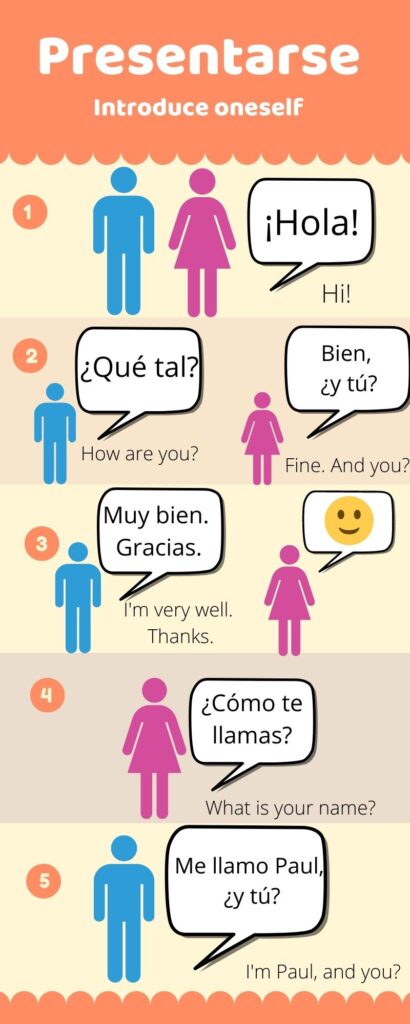
Question: “Do you take a break on weekends?”
Answer: “Yes, when I’m tired, I take a quick nap.”
This topic is great for conversation and cultural understanding, as it introduces students to different lifestyles and routines.
9. Fun Facts About the After-Lunch Break
- Spain isn’t the only country with this habit; Greece and China have similar customs.
- In some parts of Spain, entire festivals are held in honor of the midday break tradition.
- NASA and Google promote “power naps,” inspired by this tradition.
- Ideal break duration varies by age and lifestyle; children and seniors often need more time-off.
- Midday naps can improve creativity and problem-solving.
10. Conclusion
Exploring taking a siesta Spanish vocabulary and cultural traditions are key pillars for mastering the language naturally. For learners, talking about this practice strengthens cultural connection and deepens their grasp of Hispanic identity.
Do you love Hispanic culture and want to speak Spanish fluently?
Join our online Spanish courses or conversation classes and discover authentic customs, expressions, and vocabulary while boosting your speaking skills!
11. Frequently Asked Questions About the Siesta
What is the ideal length of a post-lunch nap?
15 to 30 minutes is best to avoid drowsiness and maintain performance.
Does resting after lunch cause weight gain?
No. A short nap can actually support metabolism and reduce stress, especially when paired with good nutrition.
Is doing a midday break unique to Spain?
No. It’s also common in Latin American countries, Greece, China, and Japan.
Aprende español con nuestros cursos y clases
- CEFR online Spanish courses
Spanish Online Course for Beginners – Level A1.1
110,00€ Select options This product has multiple variants. The options may be chosen on the product page - CEFR online Spanish courses
Spanish Course Level A1.2
110,00€ Select options This product has multiple variants. The options may be chosen on the product page - CEFR online Spanish courses
Online Spanish Course Basic Level – A2.1
110,00€ Select options This product has multiple variants. The options may be chosen on the product page